
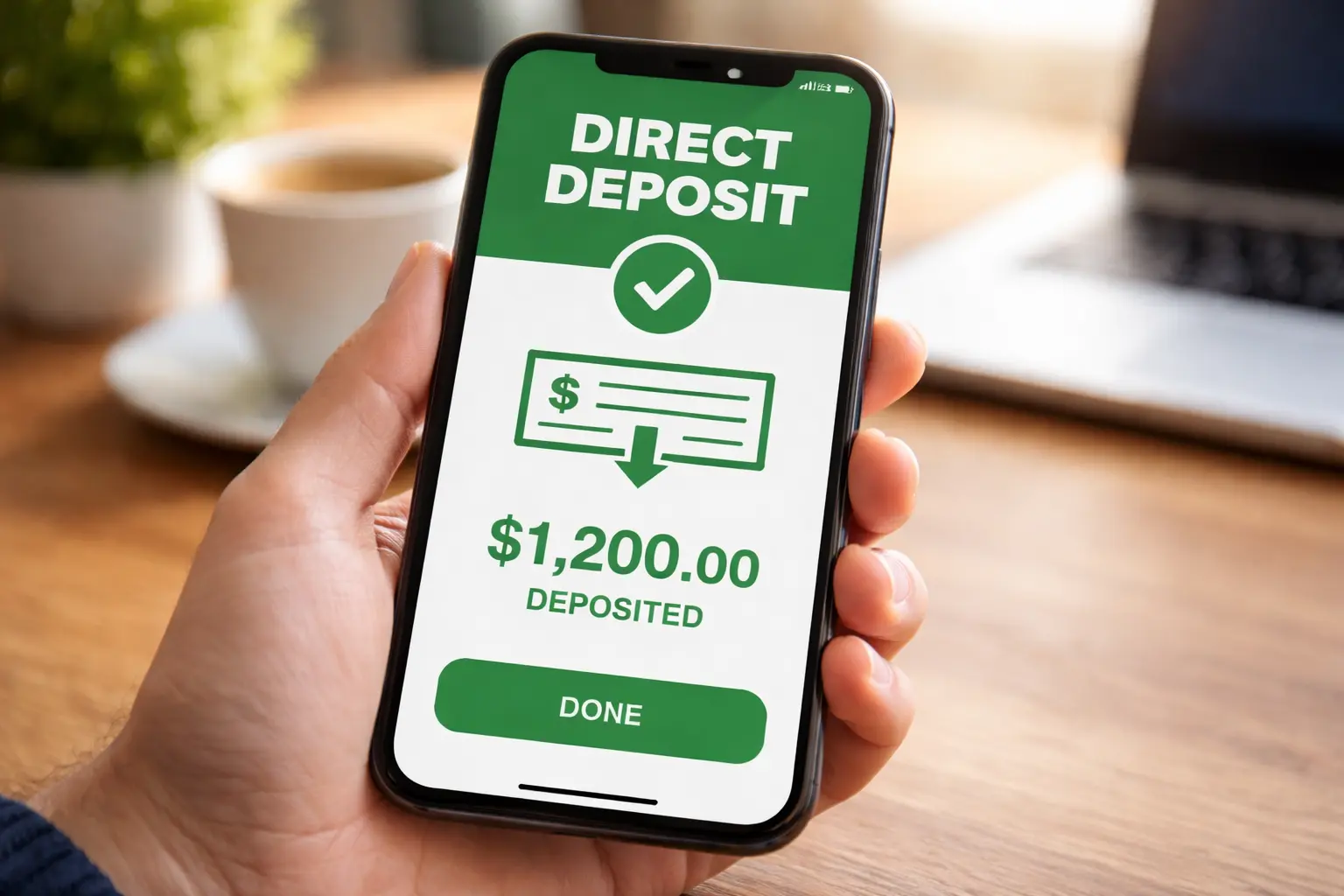
The IRS has approved a one-time 2000 direct deposit payment scheduled for February 2026. This article explains who may qualify, expected payment timing, how the IRS will determine recipients, and clear steps to check or update your payment details.
Who is eligible for the IRS 2000 direct deposit in February 2026
Eligibility is determined by the IRS using recent tax returns, Social Security benefit records, and other federal records. The agency will generally look at your most recent filed return or benefit information to confirm qualification.
Typical eligibility requirements include:
- U.S. citizens or qualifying resident aliens with a valid Social Security number.
- Recent tax return filed for the latest tax year the IRS has on file or active Social Security/SSI benefit records.
- Individual income under applicable phase-out thresholds set by the IRS (phase-outs reduce or remove the payment for higher incomes).
Who is usually excluded
People typically excluded are those who do not have valid Social Security numbers, nonresident aliens, and adults claimed as dependents on another taxpayer’s return. The IRS will publish full exclusion rules; check IRS.gov for the official list.
Payment dates and how payments are delivered
The IRS plans to issue direct deposits beginning in February 2026. Direct deposit is the fastest method, followed by paper checks and prepaid debit cards for those without bank accounts.
What to expect:
- Direct deposits: begin the first weeks of February and continue in batches over several days.
- Paper checks and prepaid cards: mailed after direct deposits, typically in the weeks following the initial deposit schedule.
- Timing may vary by taxpayer based on processing order, verification checks, and the payment method on record.
How the IRS notifies recipients
The IRS will not send unsolicited emails asking for bank details. Official notices are usually mailed. If you get an electronic notification, confirm it through your secure IRS online account or IRS.gov tools.
How the IRS determines your payment amount and status
The one-time payment amount is 2000 per eligible individual. The IRS will calculate eligibility and any phase-out based on adjusted gross income and filing status from the most recent return they have on file.
To determine status, the IRS will use:
- Latest filed tax return or information return data.
- Social Security Administration records for beneficiaries.
- Other federal data sources for residency and identification verification.
Step-by-step IRS instructions to check and update payment details
Follow these steps to confirm your payment route and update information if needed.
- Create or sign in to your secure IRS online account at IRS.gov if you have not already.
- Use official IRS payment status tools the agency makes available (for example, a payment tracker on IRS.gov).
- Confirm your bank account on file. If your account is missing or outdated, follow IRS instructions to add or update your direct deposit information before the final update cutoff.
- If you do not have a bank account on file, the IRS will use mailed checks or a prepaid card where applicable.
- Keep a copy of any IRS mailed notice you receive about the payment for your records.
What to do if your bank information changed
Update your information promptly through the IRS online account or by using the official paper form the IRS provides. Do not give bank details in response to email or phone calls unless you initiated contact through the IRS website or verified phone numbers.
What to do if you do not get the payment
If you expect the 2000 payment and do not receive it, check these items first:
- Confirm your eligibility using IRS guidance on IRS.gov.
- Check your IRS online account and any mailed notices explaining ineligibility or a payment error.
- Verify your bank account and mailing address are current with the IRS.
If everything appears correct but the payment is missing, contact the IRS using published phone numbers or the secure messaging options in your IRS online account. Keep documentation like recent tax returns and notices ready.
Tax and reporting considerations
The IRS will state whether the 2000 payment is taxable or not when announcing the program. Historically, similar one-time relief payments have been non-taxable and not considered taxable income, but you should confirm the specific tax treatment for this payment on IRS.gov.
Retain any IRS notices about the payment for your tax records.
Short real-world example
Maria filed her 2025 tax return in April 2025 and had direct deposit information on file with the IRS. In early February 2026 she checked her IRS online account and saw a payment status of “scheduled.” Her bank received the direct deposit five days later. Maria saved the IRS notice that confirmed the deposit and verified the amount in her bank statement.
Final checklist before the payment window
- Verify your identity information and Social Security number on file.
- Ensure the IRS has your current address and bank routing/account numbers if you prefer direct deposit.
- Monitor IRS official channels for exact deposit dates, official FAQs, and any program updates.
- Watch for mailed notices; these can contain important next steps or corrections.
For the latest official details and tools to check your payment, always go to IRS.gov. The IRS will publish exact timelines, eligibility definitions, and the secure methods to update your information as the February 2026 payment date approaches.